Plane spotting is the hobby of observing, identifying, and often photographing aircraft. It's one of the most accessible hobbies out there - all you need is a view of the sky. But with a little knowledge and the right tools, a casual glance upward becomes something much more interesting: you can identify the aircraft type, figure out where it's going, and track its route in real-time.
What Is Plane Spotting?
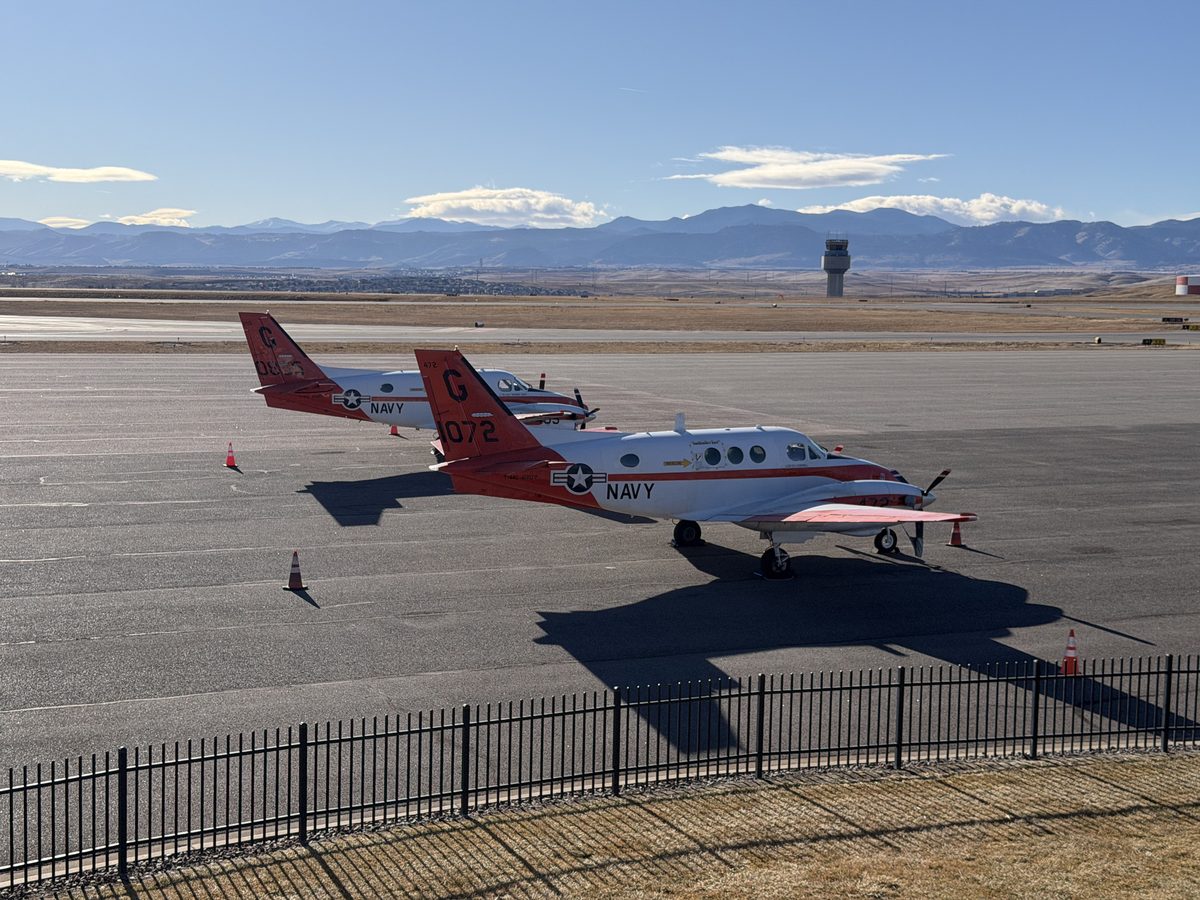
At its simplest, plane spotting means watching aircraft. Some people do it casually - noticing an interesting plane from their backyard. Others make it a dedicated pursuit, traveling to airports around the world to photograph rare aircraft types, unusual liveries, or military movements.
The hobby has a long history. Organized plane spotting dates back to World War II, when civilian volunteers in the UK were recruited to identify enemy aircraft - the Royal Observer Corps. After the war, many continued watching aircraft for fun. Today, there are plane spotting communities in nearly every country with commercial aviation.
Modern plane spotting has been transformed by technology. Where spotters once relied on binoculars and paper logbooks, today's enthusiasts have access to real-time flight data, ADS-B tracking, and apps that can identify any aircraft in the sky instantly.
Where to Go Plane Spotting
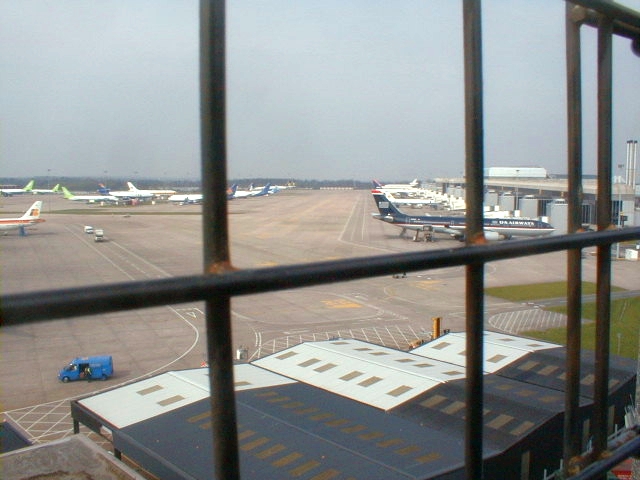
The best plane spotting locations put you close to where aircraft are flying low - arrivals and departures. Here are the most common types of spotting locations:
Airport Perimeter Roads and Parks
Many airports have public roads or parks along their approach paths where aircraft pass overhead at just a few hundred feet. Some airports even have designated spotting areas - LAX's In-N-Out Burger on Sepulveda Boulevard, Maho Beach at St. Maarten's Princess Juliana Airport, and Gravelly Point near Washington Reagan are famous examples. Search for "[your airport code] plane spotting" to find known locations near you.

Maho Beach, St. Maarten - one of the world's most famous plane spotting locations. CC BY-SA 2.0, via Wikimedia Commons.
Observation Decks and Terraces
Some airports have official observation decks or terraces - particularly common in Europe and Asia. Frankfurt, Munich, Zurich, and Amsterdam Schiphol all have excellent viewing areas, some with restaurants and playgrounds.

Haneda Airport's Terminal 3 observation deck - a world-class spotting location. CC BY 4.0, via Wikimedia Commons.
Your Backyard
You don't have to go to an airport. If you live under an approach or departure path, your own backyard is a spotting location. Even if you're nowhere near an airport, overflying traffic at cruise altitude (30,000-40,000 feet) can be identified with the right tools - you just can't photograph the livery from that distance.
General Aviation Airports
Don't overlook smaller GA airports. They often have less security, easier access, and a fascinating variety of aircraft - from Cessnas and King Airs to business jets and the occasional military visitor. Many have FBOs with observation areas or second-floor decks overlooking the ramp.
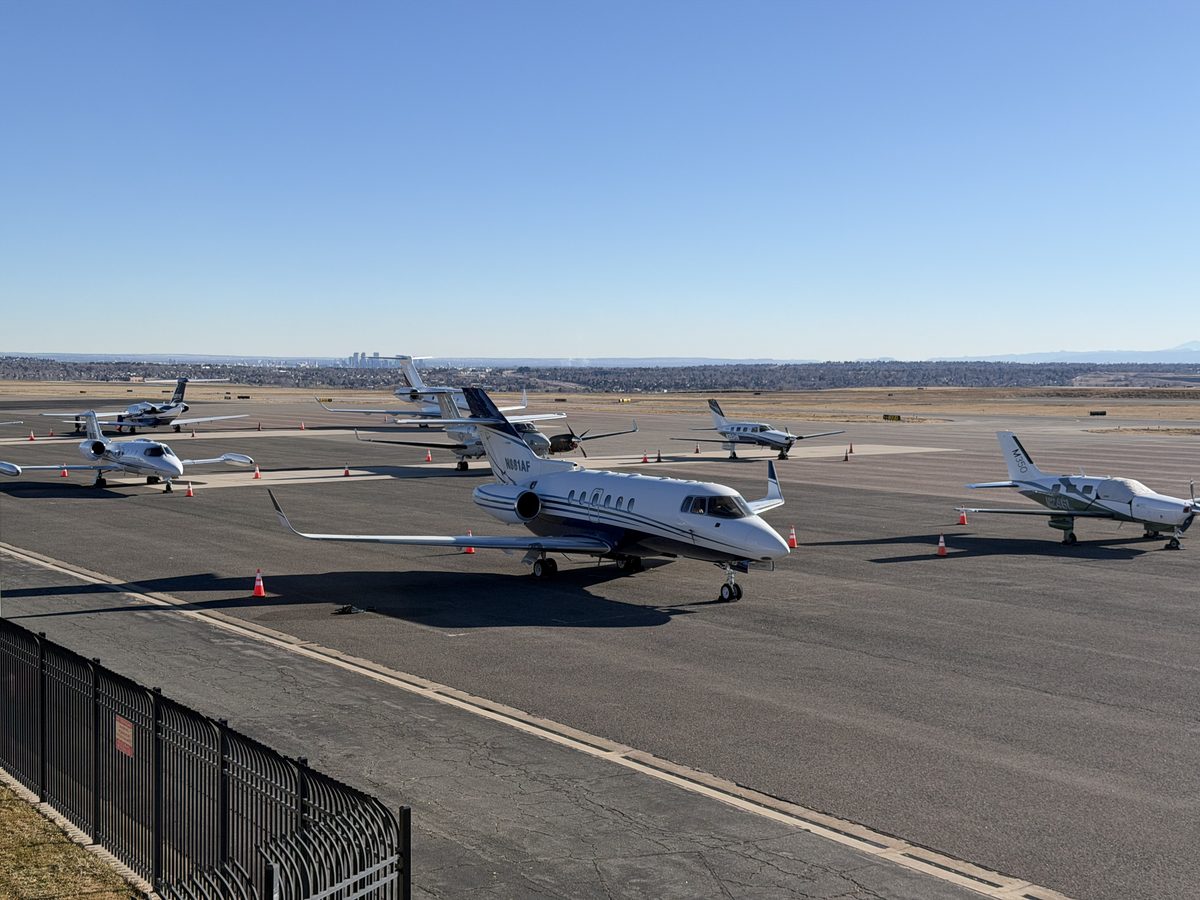
The ramp at Rocky Mountain Metropolitan Airport (KBJC) near Denver - a mix of turboprops, business jets, and visiting aircraft.
Hilltops and Elevated Terrain
Higher elevation gives you better line-of-sight to aircraft and can be helpful for spotting military traffic in training areas or low-level routes.
What to Bring
The beauty of plane spotting is that you can start with nothing but your eyes. That said, a few items make the experience much better:
Essential
- + Your phone - for flight tracking apps, photos, and logging
- + Sunglasses - you'll be staring at bright sky
- + Patience - some of the best spots require waiting
Nice to Have
- + Binoculars - 8x42 or 10x42 are good for aircraft
- + Camera with zoom lens - 150-600mm range for good aircraft photos
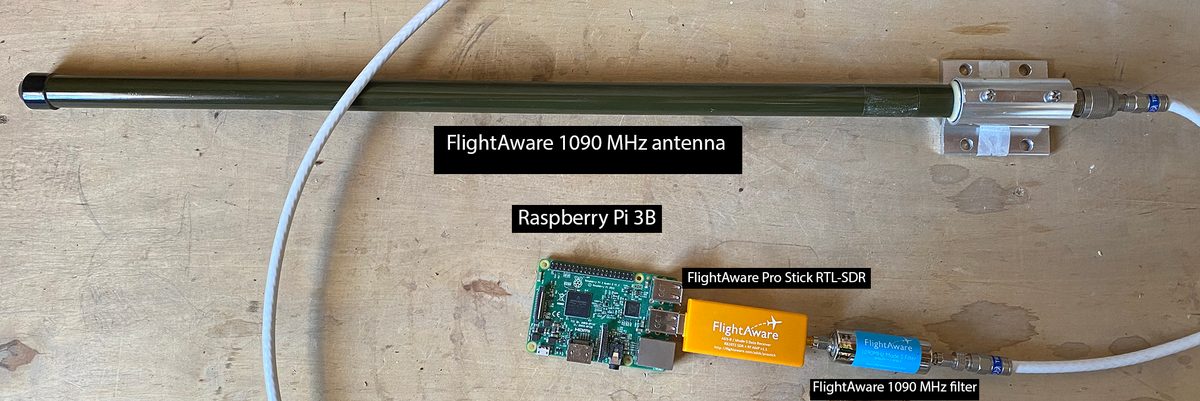
- + ADS-B receiver - a USB SDR dongle with an antenna for direct reception
How to Identify Aircraft Types
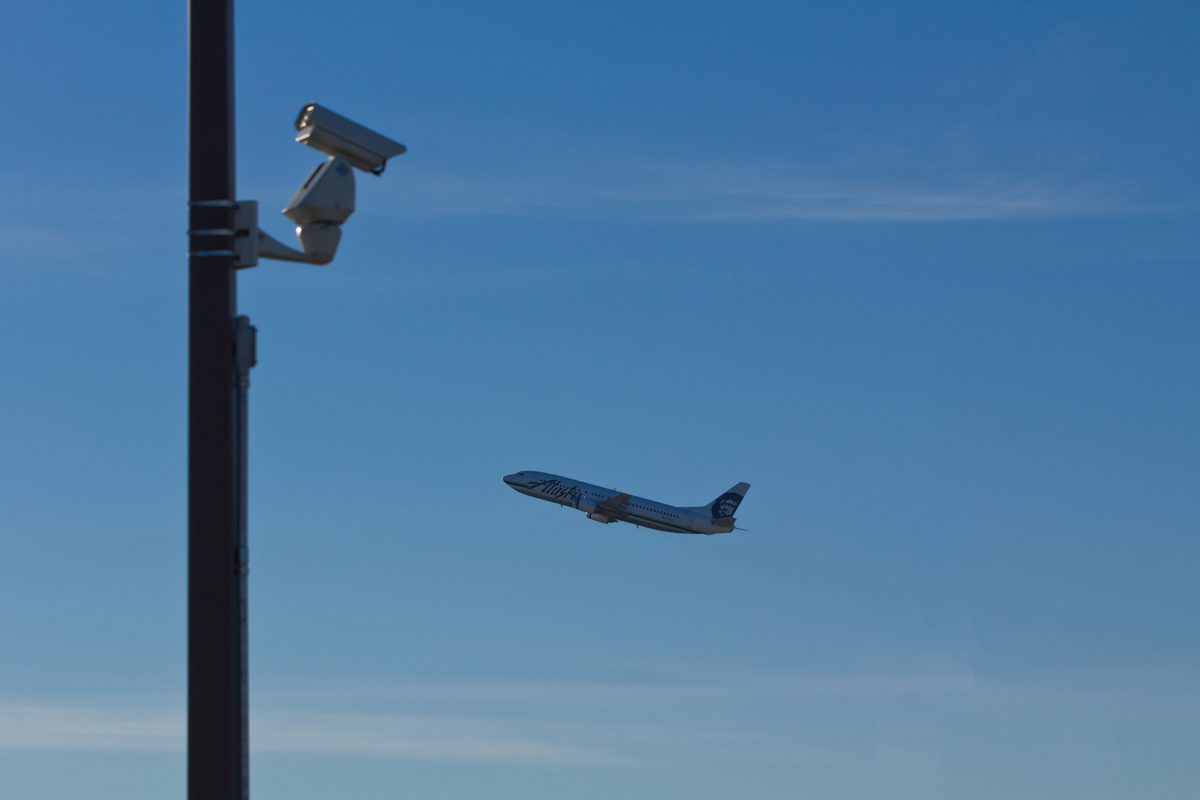
Learning to identify aircraft by sight is part of the fun. Here are the key features to look at:
Engine Count and Placement
Two engines under the wings? Probably a 737, A320, or 777. Four engines? Could be an A380, 747, or A340. Engines mounted on the rear fuselage point to regional jets like the CRJ or ERJ series. Propellers mean a turboprop - likely a Dash 8 or ATR.
Fuselage Width
Narrowbody (single-aisle) aircraft like the 737 and A320 have a slender fuselage. Widebody (twin-aisle) aircraft like the 777, 787, A330, and A350 are noticeably wider. With practice, you can tell the difference even at altitude.
Wing Shape and Wingtips
Winglets (upturned wingtips) vary by type. The 737 MAX has distinctive split-tip winglets. The A350 has curved wingtips. The 787 has raked wingtips that flex upward in flight. These differences are visible from the ground even at moderate altitudes.

Tail Design
The vertical stabilizer and its relationship to the horizontal stabilizer vary significantly. T-tails (like the CRJ and MD-80 family), conventional tails, and the distinctive hump of the 747's upper deck are all reliable identifiers.
Or, you can skip the memorization and let technology do the identification for you. Learn how to identify aircraft overhead using real-time flight data and augmented reality.
Technology Tools for Modern Spotters
Technology has fundamentally changed plane spotting. Here's what's available:
Flight Tracking Websites
FlightRadar24, FlightAware, and ADS-B Exchange all provide real-time maps showing aircraft positions. These are useful for seeing what's in the air and planning what to look for, but require switching between the map on your phone and the sky above you.
ADS-B Receivers
An SDR dongle ($25-50) with an antenna lets you receive ADS-B signals directly, giving you your own real-time feed independent of internet connectivity. Popular with the more technically-minded spotters.
Aviation Radio Scanners
Listening to ATC (air traffic control) communications on VHF frequencies adds another dimension to spotting. You can hear pilots being cleared for approach, given runway assignments, or being vectored for traffic. Legal to listen to in most countries (check your local laws).
AR Tracking Apps
The newest category. Instead of looking at a map and then looking at the sky, AR apps overlay aircraft data directly on your camera feed. Point your phone at a plane, and you instantly see its identity, route, altitude, and speed - no map-matching required. SkySpottr combines this AR overlay with machine learning to visually detect and track aircraft through the camera.

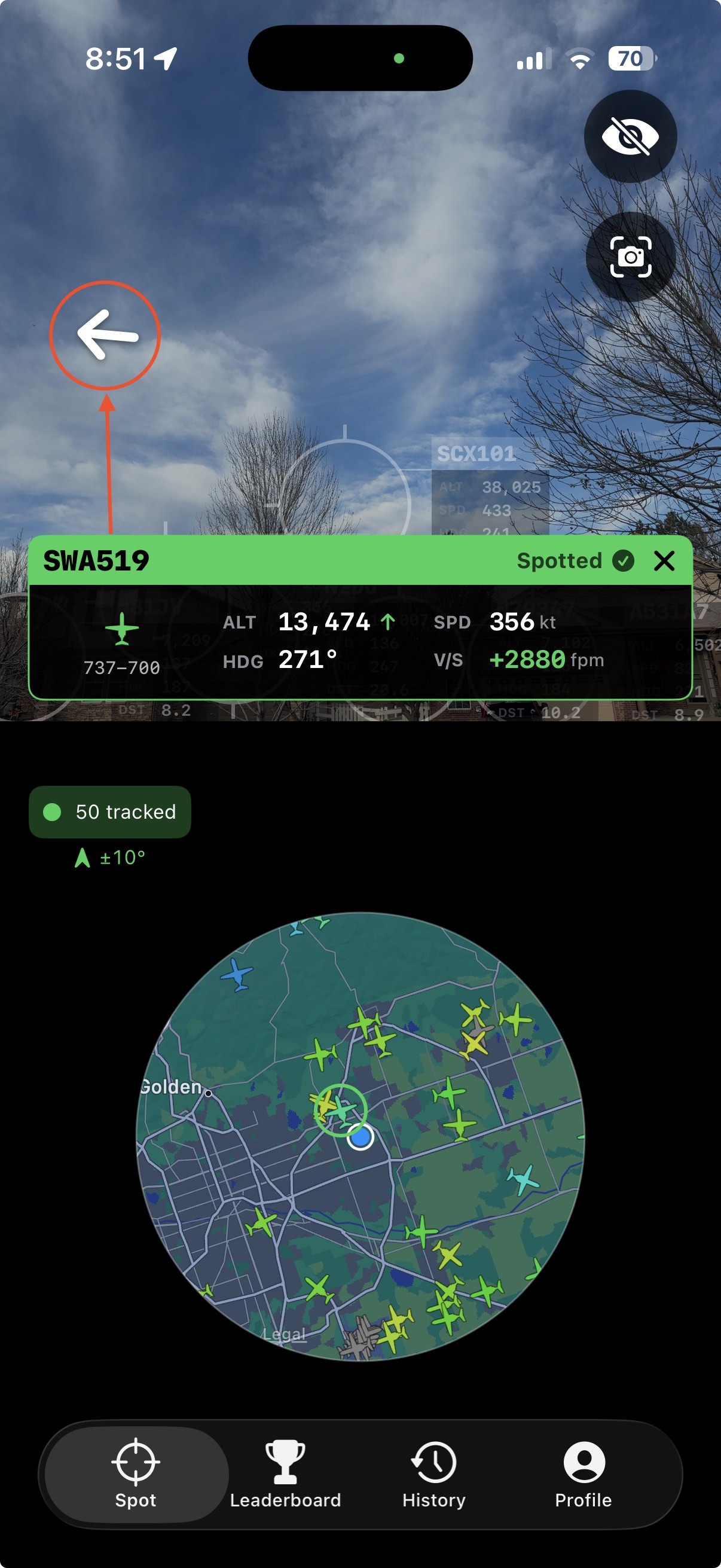
SkySpottr's AR overlay in action: aircraft identification with ML detection (left), and directional guidance arrows pointing you toward nearby planes (right).
Spotting Tips and Etiquette
Do
- + Stay in public areas and respect airport boundaries
- + Be friendly if approached by security - explain the hobby
- + Check wind direction beforehand (determines which runway is active)
- + Clean up after yourself at spotting locations
- + Share interesting sightings with the community
Don't
- - Trespass on airport property or restricted areas
- - Point lasers or bright lights at aircraft (this is a federal crime)
- - Fly drones near airports without authorization
- - Block roads or access points for photos
- - Share sensitive military aircraft positions online
Start Spotting with SkySpottr
SkySpottr puts real-time aircraft data in augmented reality on your camera. Point your phone at any plane and instantly see what it is, where it's going, and how fast it's flying. ML-powered detection confirms when you've locked on. It's plane spotting with a heads-up display.